
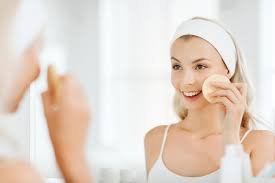
I am tired of looking at bathroom counters clutterd with half-used bottles of “miracle” creams that do absolutely nothing. We have all been there. You buy a trending serum because a teenager on TikTok said it changed her life, only to find out it breaks you out or smells like chemical waste.
The beauty industry thrives on confusion. They want you to think you need a 12-step routine to look decent. You don’t. You need fewer products, but you need better ones. I’ve spent years testing everything from drugstore bargains to high-end luxuries, and the truth is simple: formulation is king.
This isn’t about spending your life savings; it’s about understanding what you are putting on your face. Let’s strip back the marketing noise and look at what actually makes a cosmetics routine effective.
The Foundation: Skincare is Not Optional
You cannot paint over a bad canvas. If your skin is dehydrated or congested, no amount of expensive foundation will hide it. The goal of skincare isn’t to achieve “perfect” skin (which doesn’t exist), but to maintain a healthy barrier.
The Cleanser Dilemma: Stripping vs. Cleaning
Most people mess up right at the start. If your face feels tight after washing, your cleanser is too harsh. You just destroyed your acid mantle.
A good cleanser removes dirt, oil, and makeup without leaving your skin feeling like the Sahara Desert.
- Foaming cleansers: Great for oily skin, but often contain sulfates that strip natural oils.
- Cream/Milk cleansers: Better for dry or sensitive skin. They clean without disrupting the barrier.
- Oil cleansers: The best way to melt down heavy makeup and sunscreen before a second wash.
I stick to gentle formulations. If you see “sodium lauryl sulfate” high up on the ingredient list, put it back.
Moisturizer: Sealing the Deal
Moisturizer is not just for dry skin. Oily skin needs hydration too; otherwise, it overcompensates by producing even more oil. The trick is finding the right texture.
| Skin Type | Texture to Look For | Key Ingredients |
| Oily / Acne-Prone | Gel or Water-based | Hyaluronic Acid, Niacinamide |
| Dry / Flaky | Thick Cream | Ceramides, Shea Butter, Squalane |
| Sensitive | Fragrance-free Lotion | Aloe, Colloidal Oatmeal |
| Mature | Rich Balm | Peptides, Retinol, Oils |
Anti-aging isn’t about reversing time. It is about moisture retention and cell turnover. A solid moisturizer prevents the fine lines caused by dehydration.
Makeup That Enhances, Not Masks
Once your skin is sorted, makeup becomes fun again. It stops being a chore to cover up flaws and starts being a tool for expression. But the gap between cheap and premium makeup is massive, specifically in pigment and staying power.
Lipstick: Texture Matters
Cheap lipstick is mostly wax. You have to swipe it five times to get the color in the tube, and it slides off after one coffee. High-quality lipstick uses better pigment loads and conditioning agents like Vitamin E or Jojoba oil.
When I look for a lip product, I check the finish:
- Matte: Long-wearing but can be drying. Needs a good lip prep.
- Satin/Cream: The middle ground. Comfortable and decent wear time.
- Gloss: High shine, zero staying power, but makes lips look fuller.
The Eyes: Mascara and Brows
Nothing opens up a tired face faster than mascara and groomed eyebrows.
Mascara is tricky. You want volume and length without the “spider leg” clumpiness. The wand shape matters as much as the formula. A curved wand lifts; a thick bristle brush adds volume. If you have sensitive eyes, look for organic or mineral-based options that avoid harsh preservatives.
For eyebrows, the blocky, Sharpie-drawn brow is dead. We are doing fluffy, natural brows now. A thin pencil to mimic hair strokes and a clear gel to hold them in place is all you need.
The “Clean” Beauty Confusion: Vegan and Organic
Let’s clear up the buzzwords. “Natural” means nothing legally. Poison ivy is natural; I wouldn’t put it on my face. However, vegan and organic labels do carry weight regarding sourcing.
Why Choose Vegan Cosmetics?
Choosing vegan beauty products means you aren’t smearing crushed beetles (carmine) on your lips or using brushes made from mink fur. It is an ethical stance, but it also often leads to better synthetic innovations.
Organic skincare focuses on ingredients grown without pesticides. For people with reactive skin, this can be a lifesaver. Chemical residues in standard farming can trigger inflammation in sensitive individuals.
Pros and Cons of Organic/Vegan Beauty:
- Pros:
- Cruelty-free (usually).
- Fewer potential endocrine disruptors.
- Better for the environment.
- Cons:
- Shorter shelf life (fewer strong preservatives).
- Natural extracts can still cause allergies (essential oils are potent).
Sourcing Your Products: The Online Retailer Minefield
Buying beauty products online is terrifying. You don’t know if the color matches, and you can’t test the texture. Plus, big marketplaces are flooded with counterfeits. I once bought a “luxury” palette that turned out to be chalk dust and food coloring.
You need a retailer that curates. You want a shop that filters the trash so you don’t have to.
This is where finding a dedicated supplier like K. Mitchell Cosmetics makes a difference. Instead of wading through thousands of questionable listings, you get a focused selection of cosmetics, skincare, and beauty tools. They handle the quality control. When I browse a site like that, I look for a mix of staples—reliable cleansers, bold lipsticks, and effective hair care—without the overwhelming clutter of a mega-store.
Red Flags When Buying Beauty Online
- Price is too good to be true: If a $50 cream is selling for $10, it’s fake or expired.
- No ingredient list: If they won’t tell you what is in it, don’t buy it.
- ** blurry photos:** Professional brands use professional photography.
Hair Care: The Forgotten Step
We spend hundreds on our faces and then use $3 dish-soap-equivalent shampoo on our hair. Your scalp is skin, too.
If you color your hair or use heat, you need to invest in repair. Hair care isn’t just shampoo; it’s masks, oils, and heat protectants.
- Sulfate-Free Shampoo: Vital for colored hair. Sulfates strip color molecules right out of the shaft.
- Deep Conditioner: Use this once a week. It replaces the moisture that styling tools boil away.
- Scalp Scrubs: Product buildup clogs hair follicles, leading to thinning. A good scrub resets the scalp.
Troubleshooting Your Routine (FAQ)
Here are the questions people usually are too embarrassed to ask.
Why is my makeup pilling (rolling off in little balls)?
This happens when you mix oil-based and water-based products. If your moisturizer is oil-heavy and your primer is water-based, they will repel each other. Check the first three ingredients. If one says “dimethicone” (silicone) and the other says “water,” let the first layer dry completely before applying the next, or match your bases.
Do I really need an eye cream?
Honestly? Maybe not. Many eye creams are just expensive moisturizers in tiny jars. However, if you have specific issues like dark circles or puffiness, an eye cream with caffeine or Vitamin K can help. For general dryness, your regular face moisturizer is usually fine if it’s gentle.
How often should I exfoliate?
Stop scrubbing your face every day. You are destroying your barrier.
- Physical scrubs: Once a week, max.
- Chemical exfoliants (AHAs/BHAs): 2-3 times a week.Over-exfoliating leads to breakouts because your skin panics and produces more oil to protect itself.
Can I mix active ingredients?
Be careful.
- Don’t Mix: Retinol + Vitamin C (causes irritation). Use Vitamin C in the morning, Retinol at night.
- Don’t Mix: AHAs/BHAs + Retinol (too stripping).
- Safe to Mix: Hyaluronic Acid + almost anything.
The “Anti-Aging” Lie
The industry sells fear. They tell you wrinkles are a failure. They aren’t. They are a sign you have lived.
However, we all want to look fresh. The most effective anti-aging product isn’t a $300 cream; it is sunscreen. UV rays cause up to 90% of skin aging. If you aren’t wearing SPF 30+ every single day (yes, even when it is cloudy), your expensive retinol is useless.
Facial massage and tools like gua sha can also help. They increase circulation and reduce puffiness, giving you a temporary “lift” without invasive procedures. It feels good, and it wakes up your complexion.
Comparison: Drugstore vs. Premium Skincare
Is the expensive stuff worth it? Sometimes.
| Feature | Drugstore (Mass Market) | Premium / Curated |
| Active Ingredients | Lower concentration. Often “dusting” (tiny amount for marketing). | Higher concentrations. Better stability. |
| Fillers | High water and silicone content to bulk up the product. | More botanicals, oils, and active carriers. |
| Packaging | Functional, often plastic. | Airless pumps (keeps ingredients fresh), glass. |
| Scent | often heavy synthetic fragrance to mask chemical smells. | Natural extracts or fragrance-free options. |
I buy drugstore cleansers because they stay on my face for 30 seconds. But I invest in premium serums and moisturizers because they sit on my skin all day.
Building Your Kit: A Checklist
If I had to throw away everything and start over, this is exactly what I would buy. This list cuts the fluff and covers the bases.
The Morning Routine:
- Gentle Cleanser (or just warm water).
- Vitamin C Serum (for brightness and protection).
- Light Moisturizer.
- SPF 50.
The Makeup Bag:
- Tinted moisturizer or light foundation.
- Concealer (for spots only).
- Cream blush (looks more natural than powder).
- Brow Gel.
- Mascara.
- One bold Lipstick.
The Night Routine:
- Oil Cleanser (to remove SPF/makeup).
- Second Water-based Cleanser.
- Treatment (Retinol or Exfoliant).
- Heavy Moisturizer or Night Cream.
Final Thoughts
Beauty shouldn’t be stressful. It shouldn’t be about chasing an impossible standard set by filtered Instagram photos. It is about taking five minutes for yourself in a chaotic world. It is about the ritual of washing away the day or the confidence boost of a perfect red lip.
Stop hoarding mediocrity. Curate your collection. Find sources you trust, like K. Mitchell Cosmetics, that do the hard work of selecting quality goods for you. Focus on ingredients that feed your skin, not just market it.
Your face is the first thing the world sees. Treat it with some respect.
What is the one beauty product you refuse to leave the house without? Let me know in the comments below!


